



Adjusting to a new culture
We all need someone to talk to. Ironically, this is perhaps one of the most unspoken needs for all human beings. It is especially so if you have just moved your whole life to live in a foreign country. There are so many challenges that arise in settling into a new life within a different culture. Most of us take for granted that we can navigate these changes without a whole heap of support. The ability to adjust to a different culture and how individuals cope vary dramatically. Some people adjust with relative ease, maybe they have moved here for work and find a new identity within this framework relatively quickly. Others who have moved here for love or asylum must build their network from the ground upwards — a wholly more challenging task. No doubt for people moving to settle here in Stockholm, there are many common experiences (and differences). The opportunity to talk about our experiences may offer new insights to us all.
Initially Stockholm feels like many other western countries. But once you get beyond the top layer, there are many cultural differences that must be navigated in order to feel part of the community. If one has chosen to be here, there can arise a resistance in allowing oneself to feel a whole array of very normal emotions. It’s not uncommon to think: ‘I must be strong’. ‘I must be confident’. ‘I can’t let this get to me’. Feeling defeated, disappointed or sad is not something many allow themselves to feel.
Social worker, Laura Crook, encourages people to let go of trying to control their feelings. ‘To move forward and to adjust to the new, we must find a way to let go of the things we cannot control. It seems we think that if we try hard enough, we can change what has happened and how we feel about it — we cannot change it — but we can be brave enough to look at it, talk to it, understand it … and then let it be. Verbalising the internal helps us feel more powerful in it. More empowered and far less lonely’. So where can the international community, especially those who have not yet found a network of friends, find this outlet in Stockholm?
Lysanne Sizoo is founder of the Turning Point Counselling Center in Vasastan. She explains ‘while disappointments and challenges are an ordinary part of life, we sometimes need to stop and reflect over these experiences. Talking things through with a professional listener can be useful in dealing with issues that threaten to overwhelm. Simply sharing some of these burdens can help to ‘normalize’, what is essentially, a very normal experience.’
Lysanne understands from her own experience what it is like to live in another country. ‘There are many very understandable feelings that arise when moving to a foreign country. Some feel increased anxieties about life and not performing. Others feel more alone as making friends and finding a new purpose here can be confronting. On top of this people can feel an increased pressure within their relationships and many just feel ‘burnt out’ by the experience.’ At the Turning Point Counselling Center there are experienced counsellors and psychotherapists who work in many languages — including English and Swedish — and they are there to help people face life’s challenges in a positive and constructive manner.
Lysanne spoke to Your Living City about her vision for Turning Point, ‘I envisage that it flowers into a beehive of activity, a safe place to come explore the inner self, 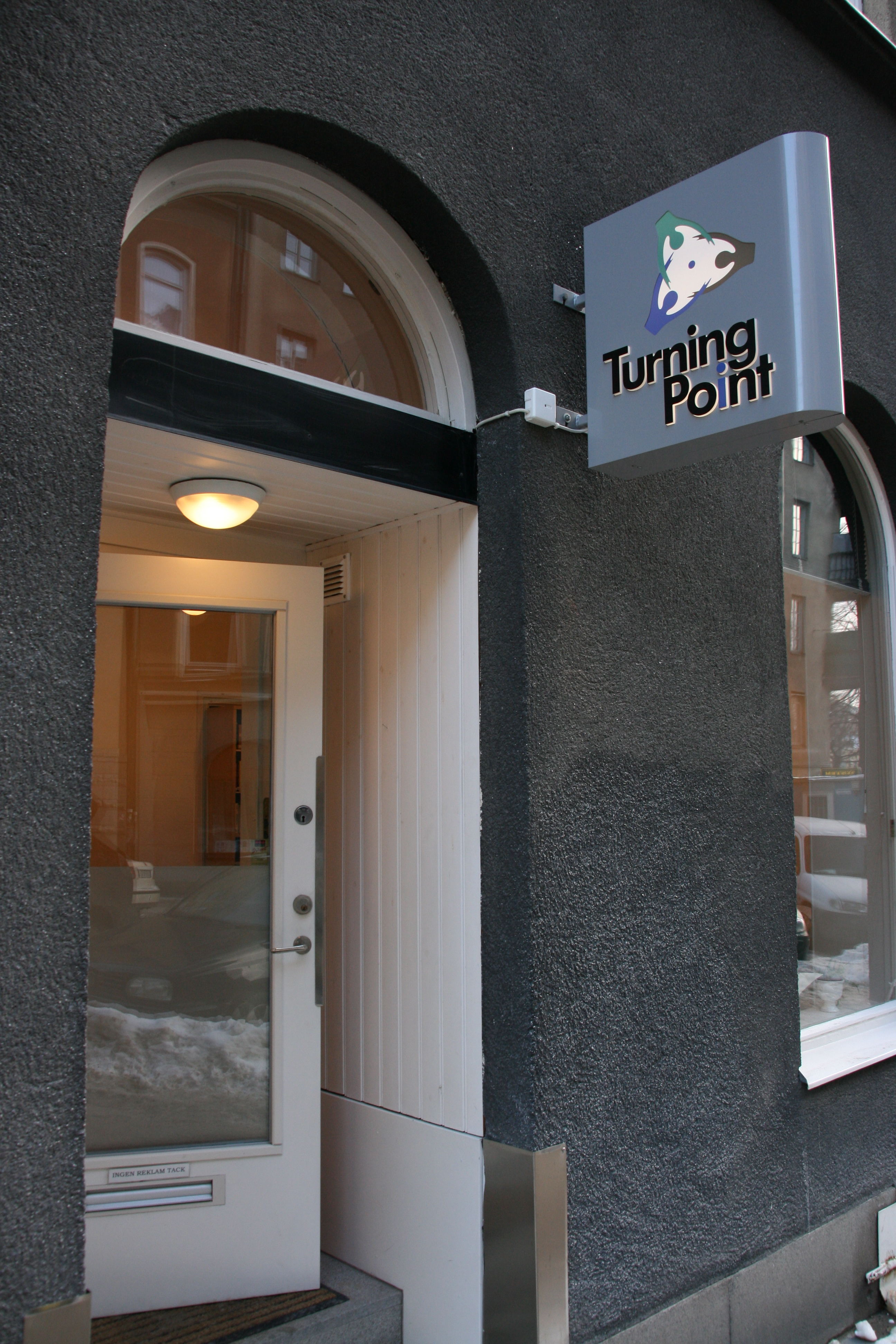 regardless of nationality. A place where one can reflect over what has happened in your life and feel understood and validated in your journey so far. She says it’s normal to grieve for what you’ve left behind — even if you chose it — but we must validate the feelings it evokes’.
On being a foreigner in Sweden, Lysanne continues ‘As we grow up we are mirrored by parents and our community. This is how we grow our sense of who we are. So we develop a relationship to our environment. When we come to a foreign country, we are no longer mirrored in the same way. This can be disconcerting as you become aware of the differences. Some chose to adjust fully to these ‘rules of life’ while others hold onto their background strongly. But there is often an ongoing element of re-adjustment. When we start to feel lost, we notice that those parts of ourselves that haven’t finished developing get triggered in a new environment. For example, the subject of cultural politeness can trigger anger, confusion or hurt. However this offers a unique opportunity for dealing with those unfinished parts of yourself.’
The Turning Point Center offer counselling sessions for individuals and couples, as well as support groups and workshops. They believe ‘you are the expert on you’ and that by facilitating a therapeutic relationship, it will help you to find your own resources and answers. Lysanne believes that the ability to step back and reflect is one of the greatest gifts of therapy. ‘If we learn to listen and trust again, we find that the psyche has its own intelligence. If you’re feeling sad, be sad. Trust in your own psychological system, it often knows best.’
Lysanne also hopes to make a positive contribution to the changes that are ongoing in the mental health care sector in Sweden. Swedish counsellors who meet internationally recognised training standards will soon be able to register with RACS, offering a quality guarantee regarding professional training and a clear and effective complaints procedure. ‘We believe that it is in the interest of each and every serious counselling training organisation in Sweden to seek accreditation and contribute to the building of a safe, secure and transparent counselling sector.’
Beth Rogerson, who works as a individual and relationship counsellor at her private practice in Södermalm and also at the Turning Point center, has 20 years experience in the field. She personally understands the challenges of coping in a foreign land. ‘As an American married to a Swede, I share an experience of adjusting to a new culture and climate. As the mother of a Swedish-American son, I could face similar issues of co-parenting in a bi-cultural home.’ Bet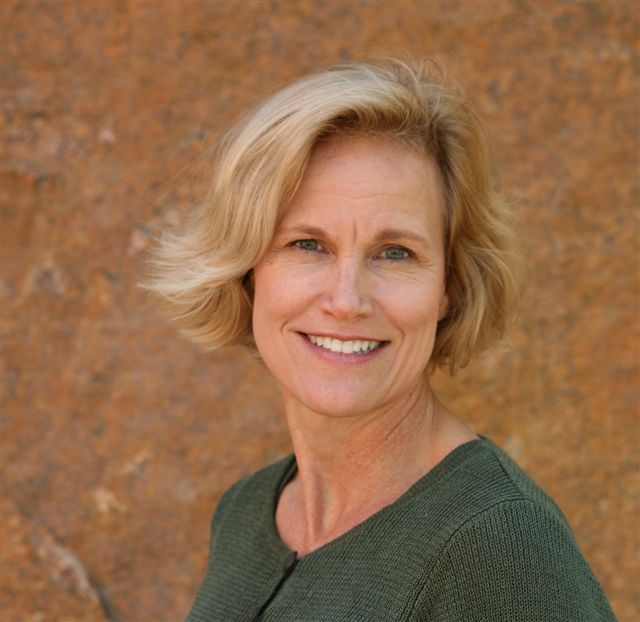 h supports individuals, families and multicultural couples to find ways to help themselves through these transitions. Beth describes that ‘the learning curve of living in a different culture can be steep and we can all use a little help at these times. Support can be especially needed during the winter months when the days are so dark. It can take time to get comfortable in your new life and it is common to try different ways of coping when adjusting to all the change. However, it is best for ourselves when we use the ways of coping that promote the best outcome.’ One of the things Beth encourages with her clients is to set small, relevant goals, and in this way improve our confidence within ourselves, as we adapt to these changes. ‘There are opportunity’s everyday to delight in the difference around us, and sharing this with counsellors or in a group, can help us relax and see more clearly what lies around us.’
Counselling can be a wonderful tool to help you adjust to your new life, mentally, emotionally and spiritually and there are some wonderful people and places that provide this support here in Stockholm. Your Living City hopes to connect you with these services to promote more well-being in the community. Through group work or individual counselling you may be able to access the support that some people seek to feel happier. We hope that each new emigrant who moves to Stockholm can find someone to talk to: someone who understands the issues that affect the international community.
For more information about the Turning Point Center and the groups that are currently running click here.
To find out more about Beth Rogerson, her counselling and workshops click here.
To read more about RACS head to www.racs.se
Keep checking back as we will be speaking more about support groups on our website in the weeks to come. And as usual, we invite feedback on our articles!
Written by Lily Mackay


6 Comments